Whispering Angel can provoke debate amongst sommeliers. Bertrand Léon, winemaker at Château d’Esclans explains why scale does not disqualify seriousness.
At Château d’Esclans, winemaker Bernard Léon is unapologetic: rosé does not need permission to sit at the fine‑wine table. Among sommeliers, “large production” is often shorthand for compromise. Léon challenges that assumption head‑on. “Contrary to what people believe, it is possible to produce very good rosé wines in significant volumes; you just have to give yourself the means to do so,” he says.
Those means, at d’Esclans, have been neither shortcuts nor standardisation. Over the past 20 years, Whispering Angel’s growth has been deliberately incremental, paired with constant reinvestment. “Our winemaking methods have not changed.They have even become more precise,” Léon explains.
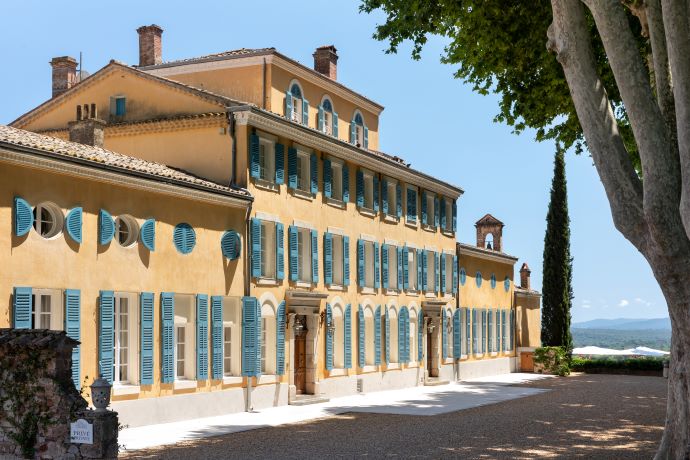
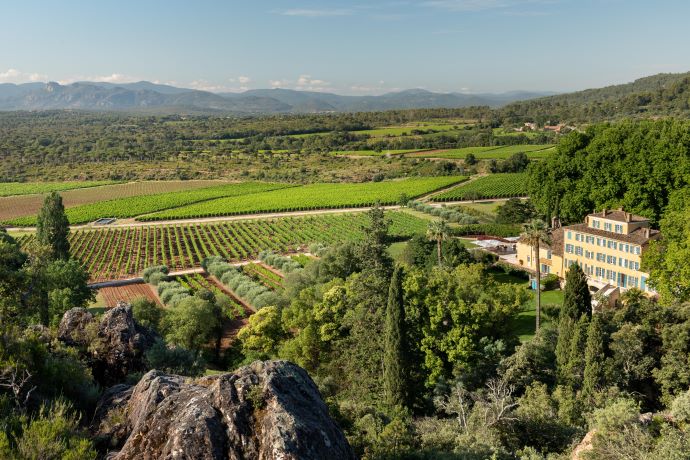
What does that look like in practice? A move from a single cellar and one grape reception area to three cellars and six reception zones, each designed to protect parcel nuance and harvest timing. Just as important is the expanded winemaking team, rigorous, highly specialised, and tuned to fine‑wine detail rather than industrial throughput. The uncomfortable question for sommeliers is this: if Burgundian domaines can scale without losing identity, why must rosé be confined to the margins the moment it succeeds?
Bordeaux thinking, Provence expression
Château d’Esclans is often described as Provence with a Bordeaux brain and Léon doesn’t resist the analogy. But he refuses the idea that it’s about importing styles. “The philosophy behind creating great wines is always the same, regardless of the region or the colour of the wine,” he says.
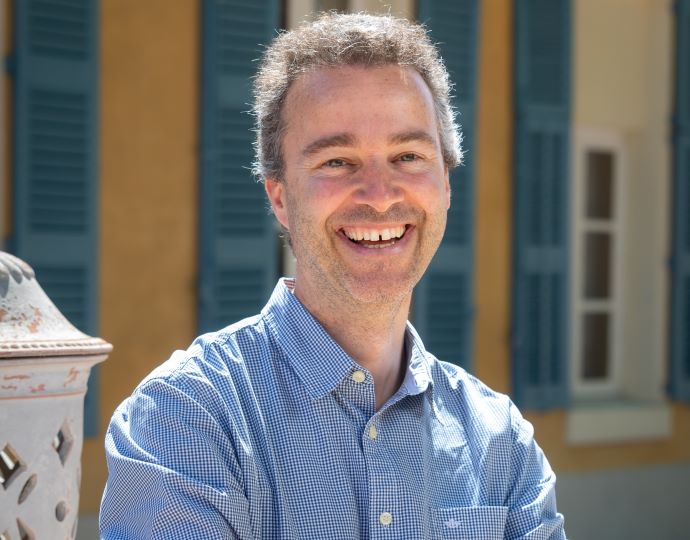
That philosophy starts with terroir, followed by rigorous vineyard balance and, crucially, vintage responsiveness. “You should not apply the same recipe every year.” For sommeliers attuned to the language of adaptation in Burgundy or Piedmont, the parallel is obvious. Blending at Esclans is neither fixed nor rushed. Léon insists on tasting and re‑tasting as fermentation and ageing evolve. “Tasting is not an exact science… you must not be afraid to question yourself,” he adds.
“The philosophy behind creating great wines is always the same, regardless of the region or the colour of the wine.
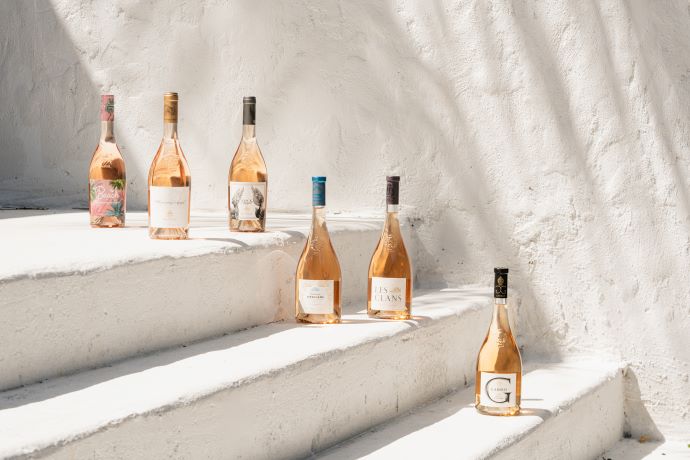
This is where wines such as Rock Angel, Les Clans, and ultimately Garrus break with rosé orthodoxy. Texture, phenolic structure and layered salinity replace simple freshness; qualities sommeliers routinely demand, yet often refuse to recognise when they appear in pink.
Is ‘poolside’ a lazy critique?
Rosé’s biggest obstacle in fine dining is not quality. It’s narrative. Léon is pragmatic, not defensive, about the category’s image problem. “There are several types of rosé wines,” he says. “Classic styles like Whispering Angel or more gastronomic styles like Garrus.” What Garrus is not, he insists, is a cosplay Burgundy or Champagne. “Garrus is not an alternative to a white Burgundy Premier Cru or a vintage Champagne; it is a complement.”
You must be very present in the vineyard, harvest dates today are notably earlier than they were fifteen years ago, not to chase trends, but to preserve balance. It is essential not to miss the moment of optimal ripeness.
That distinction matters. Rather than positioning Garrus as a substitute. A tactic sommeliers often eye with suspicion. Léon frames it as an expansion of the fine‑wine conversation. A gastronomic rosé with its own cadence, not borrowed prestige. His advice to sommeliers is refreshingly direct: stop theorising and start pouring. “Have people taste Garrus, ideally across several slightly different vintages. That is always the ultimate argument.” If a wine survives blind tasting and vertical context, the category label becomes secondary.
Freshness under pressure
As warming vintages reshape Provence, maintaining the region’s hallmark pale, dry, fresh profile has become a technical and philosophical challenge. “You must be very present in the vineyard,” Léon says. Harvest dates today are notably earlier than they were fifteen years ago, not to chase trends, but to preserve balance. “It is essential not to miss the moment of optimal ripeness.”
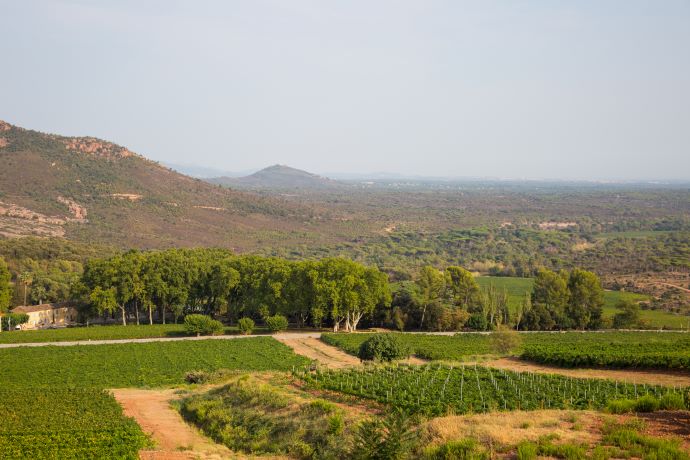
This hyper‑attention mirrors what many sommeliers already prize in cool‑climate regions: restraint, anticipation, and the willingness to pick before flavour becomes excess. In Provence, these decisions now define whether rosé remains a serious wine or drifts into parody.
If structure, terroir expression, age‑worthiness and gastronomic relevance are the benchmarks, then wines like Garrus deserve debate at the top table. As Léon’s work quietly demonstrates, rosé doesn’t need reinvention. It needs reassessment.